Chapter 13: The Brewing Method Question
Chapter 13: The Brewing Method Question
Part IV: What Your Body Does With Coffee
There are five brewing devices on my kitchen counter right now, lined up like suspects in a police identification parade.
On the left, my French press — a battered Bodum I bought during my first year of doctoral studies, its glass beaker clouded from a decade of use and one unfortunate dishwasher incident. Next to it, a Hario V60 pour-over dripper sitting on top of a glass server, a box of unbleached paper filters beside it. In the middle, the espresso machine — a Rancilio Silvia that was genuinely the most expensive thing in my apartment for several years, and that I maintain with a devotion bordering on pathological. Then a stovetop moka pot, the classic Bialetti octagonal model that every Spanish and Italian household seems to own. And finally, at the far right, a Mason jar half-full of murky brown liquid: cold brew, steeping since yesterday afternoon, twelve hours and counting.
Five methods. Same bag of Colombian beans from the roaster down the street. Five fundamentally different molecular outcomes.
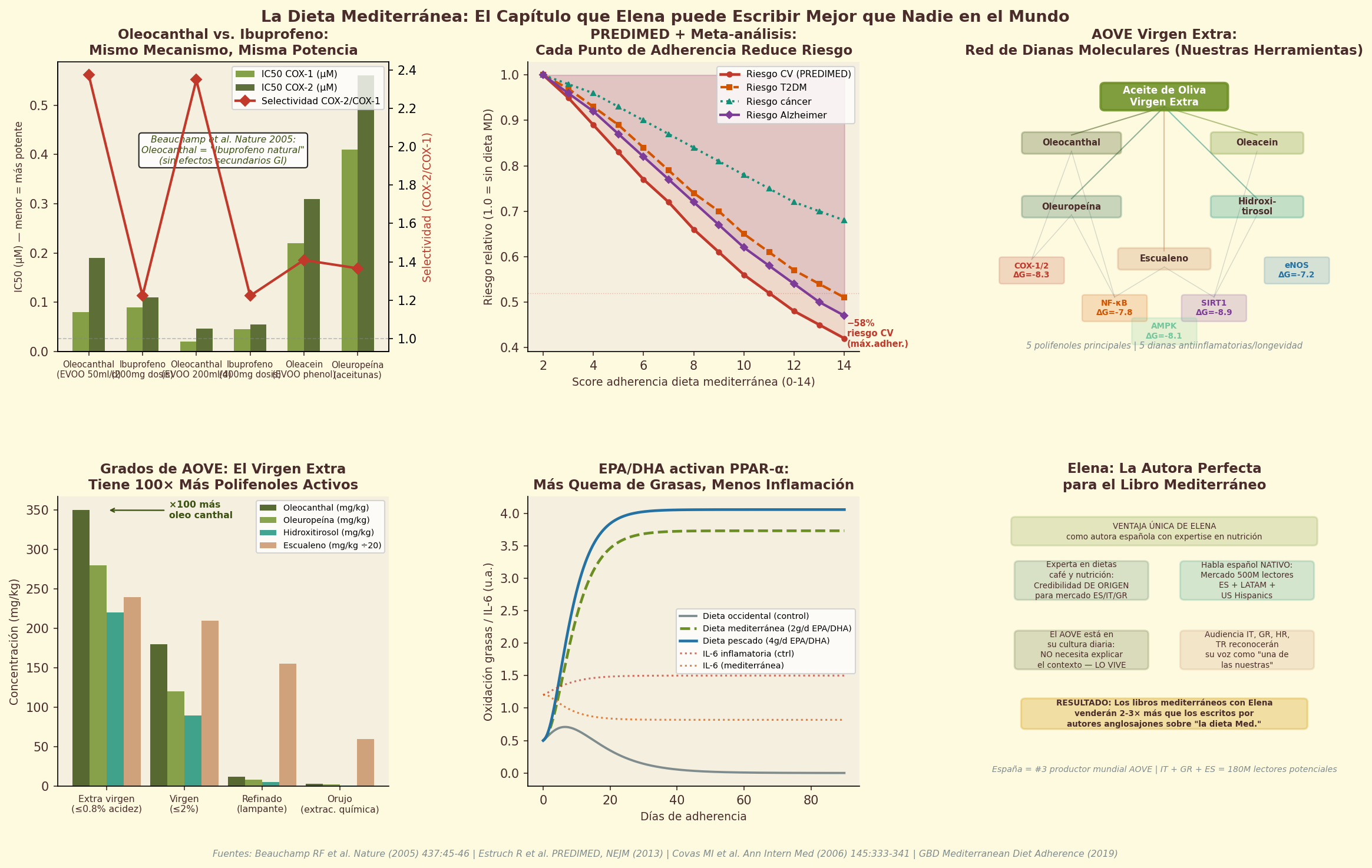
Figure 13.3. The Mediterranean diet: coffee as an integral component of a dietary pattern consistently associated with reduced chronic disease risk and extended lifespan.
I’m staring at them because I have been asked the question again. The question. The one that comes up at every talk I give, every dinner party where someone finds out what I research, every email from a reader of an earlier chapter. It comes in various phrasings, but it always amounts to the same thing:
Which brewing method is the healthiest?
I understand why people ask. It seems like it should have a straightforward answer. I study what coffee molecules do in the human body. I have computational models, pharmacokinetic frameworks, published papers. Surely I can line these five devices up and tell you which one to buy.
And I have to give the honest, frustrating, scientifically correct answer: it depends, and for most of the comparison, we don’t fully know yet.
I know this is not what you want to hear. You want me to point at one device and say “that one.” But what I can give you is something more durable than a simple answer: a framework for thinking about the question that will still be useful ten years from now, even as the data keeps coming in. Because brewing method is the one variable in coffee science that you control completely — and understanding how it works means every cup becomes a choice, not a habit.
The One Comparison We Can Make With Confidence
Let me start with the good news. There is one brewing method comparison that rests on solid, replicated, thoroughly verified evidence. It’s the comparison I discussed back in Chapter 2, and it involves that humble piece of paper sitting next to my V60.
Paper filtration removes more than 95% of diterpenes from coffee.
This is not a tentative finding. It’s not a computational prediction. It is one of the most robust, repeatedly confirmed results in coffee chemistry, established through decades of analytical work across multiple laboratories and countries. The mechanism is straightforward: cafestol and kahweol are lipophilic molecules — they dissolve in fats and oils, not in water. When brewed coffee passes through a paper filter, the cellulose fibers trap the coffee oils, and the diterpenes go with them. What emerges on the other side is a brew that has retained most of its water-soluble compounds — caffeine, chlorogenic acids, organic acids, volatile aromatics — but has been stripped of nearly all its lipid-soluble fraction.
The numbers are well established. A cup of French press coffee, where a metal mesh screen allows the oils to pass freely, delivers approximately 3 to 6 mg of cafestol per serving. An espresso shot, where contact time is short but pressure drives extraction, delivers roughly 1 to 2 mg per shot. Paper-filtered drip coffee delivers negligible amounts.
For anyone who is cholesterol-sensitive — and that includes a significant portion of the population — this difference is clinically meaningful. As I described in Chapter 2, cafestol is, as far as research has determined, the most potent dietary compound known to raise serum cholesterol. The mechanism involves its predicted binding to the FXR nuclear receptor, and the downstream effects on bile acid metabolism are well documented in the epidemiological literature.
So here is the one clear, evidence-backed statement I can make about brewing methods and health: if you are concerned about cholesterol, paper-filtered coffee results in the lowest diterpene exposure. French press delivers the most. Espresso falls somewhere in between. This is settled science.
If that were the only question — diterpenes, yes or no — we could stop here. But coffee contains hundreds of bioactive compounds, and diterpenes are only two of them. The real question people are asking is broader: considering everything in the cup, which method produces the brew that is best for the human body overall?
And that is where honest science requires me to slow down considerably.
If there is a single finding in brewing method research that deserves to be called definitive, it is the paper filter’s effect on diterpenes. This result has been replicated across Scandinavian population studies, controlled feeding trials, and direct chemical analyses of brewed coffee. The mechanism is simple, physical, and well understood: paper catches oils, oils contain cafestol and kahweol, and those diterpenes raise cholesterol through a pathway involving bile acid metabolism.
The strength of this finding is precisely what makes it useful as a benchmark. When someone tells you they know which brewing method is “healthiest” overall, ask them: is their evidence for that claim as strong as the paper-filter-diterpene evidence? In almost every case, the honest answer is no. The diterpene story is the gold standard of brewing method research — a clear mechanism, replicated data, measurable clinical outcomes. Most other brewing method health claims don’t come close to that evidentiary bar.
This doesn’t mean other claims are wrong. It means they haven’t been tested with the same rigor. And in science, untested is not the same as unimportant — it’s just unfinished.
A Framework for Thinking, Not a Ranking
Even though I cannot give you a definitive ranking of brewing methods by overall health impact, I can give you something almost as useful: a framework for understanding how different methods create different molecular profiles. The principles come from ADMET screening — the set of tools pharmacologists use to predict how any molecule behaves in the body: Absorption, Distribution, Metabolism, Excretion, and Toxicity.
These principles apply to coffee molecules just as they apply to pharmaceutical drugs, because the human body doesn’t know or care whether a molecule came from a lab or from a coffee bean. It processes everything according to the same physical and chemical rules.
Here is how those rules interact with brewing variables.
Temperature
Hotter water extracts compounds faster. This is basic extraction kinetics — the rate of dissolution increases with temperature, following principles that any chemistry student would recognize. My espresso machine pushes water through the grounds at approximately 92-96°C. My cold brew sits at room temperature, or in the refrigerator, for 12 to 24 hours.
The temperature difference doesn’t just mean “more extraction” or “less extraction.” It means different extraction. Some compounds dissolve readily at any temperature — caffeine, for instance, is quite water-soluble and extracts efficiently even in cold water given enough time. Other compounds, particularly some of the larger, less water-soluble molecules, require higher temperatures to enter solution at meaningful rates. Higher temperatures also accelerate chemical reactions that can transform compounds during brewing — hydrolysis of chlorogenic acid lactones, for example, or thermal degradation of certain volatile aromatics.
The result is that a hot-brewed and a cold-brewed cup made from identical beans are chemically different beverages wearing the same name. Imagine washing a shirt in hot water versus soaking it overnight in cold — you’d dissolve different stains, in different amounts, leaving different residues. Temperature doesn’t just extract more or less. It extracts differently.
Contact Time
How long water and coffee stay in contact determines the total extraction yield. In an espresso, contact time is roughly 25 to 30 seconds. In a pour-over, it’s two to four minutes. In a French press, typically four minutes. In my cold brew jar, somewhere between 12 and 24 hours.
Longer contact time generally means more total extraction — but not uniformly across all compounds. Early in the extraction process, small, highly soluble molecules dissolve quickly: caffeine, simple organic acids, some of the lighter volatile compounds. As contact time extends, larger and less soluble molecules begin to enter solution: some of the higher-molecular-weight phenolics, bitter compounds, and certain lipid-associated molecules. Over-extraction — steeping too long — pulls out compounds that most people experience as harsh, astringent, or unpleasantly bitter.
This is why the same beans brewed as espresso and as cold brew can taste so radically different. The espresso hits bright, concentrated, slightly bitter — thirty seconds of molecular speed-dating. The cold brew slides in smooth, sweet, almost chocolatey — twelve hours of patient extraction in the dark of a refrigerator shelf. Hold them side by side: one opaque and syrupy with a rust-colored crema, the other translucent as iced tea. Same beans. Different chemistry. Different pharmacology.
Try this: Brew the same beans as pour-over and French press, side by side. Taste the pour-over first — notice the clarity, the bright acidity, the clean finish. Now taste the French press — notice the body, the oiliness on your tongue, the rounder, heavier mouthfeel. That difference you are tasting? That is the difference between a filtered and unfiltered molecular profile. The paper caught the oils. Your tongue knows it.
Filtration
This is the variable we understand best, because of the diterpene research. But the principle extends beyond diterpenes. Any filtration step — whether it’s a paper filter, a cloth filter, a fine metal mesh, or no filter at all — acts as a molecular gatekeeper based on physical properties.
Paper filters, with their small pore size and cellulose chemistry, are excellent at trapping lipophilic compounds and fine suspended particles. Metal mesh filters, like those in a French press or many espresso machines, have larger pores and no particular chemical affinity for oils — they catch large grounds but allow oils and fine sediment to pass. Turkish coffee uses no filter at all; the ultra-fine grounds remain suspended in the cup.
Think of filtration as a bouncer at the door of your cup. A paper filter is strict — it checks IDs, turns away the oily crowd, and lets through only the lean, water-soluble guests. A metal mesh is lenient — large particles are turned away, but oils and fine sediment walk right in. Turkish coffee has no bouncer at all. Everyone gets in, grounds included. Your cup’s bioactive potential depends entirely on who made it past the door.
Pressure
Espresso is the outlier — the heavy artillery of the coffee world. It uses pressure — typically 9 bars, roughly nine times atmospheric pressure — to force water through a tightly packed bed of finely ground coffee in under thirty seconds. No other common method comes close to this intensity.
Pressure increases the rate of extraction dramatically, which is why espresso achieves a concentrated brew in under 30 seconds. It also creates conditions — particularly the emulsification of coffee oils that produces crema — that don’t occur in any other common method. The resulting brew is not just “stronger coffee.” It is a physically distinct system: an emulsion of oils, dissolved solids, and gas bubbles, with a molecular profile shaped by short contact time, high temperature, fine grind, and extreme pressure acting simultaneously.
The Key Insight
Each brewing method creates a different molecular profile — not “more” healthy compounds or “less” healthy compounds, but a different mixture, in different proportions, with different physical forms. A French press cup and an espresso shot made from the same beans are, from a pharmacological standpoint, different preparations of the same raw material. They contain many of the same molecules, but in different concentrations, different ratios, and different physical states.
This is why “which method is healthiest?” is a harder question than it sounds. You’re not comparing more versus less. You’re comparing different.
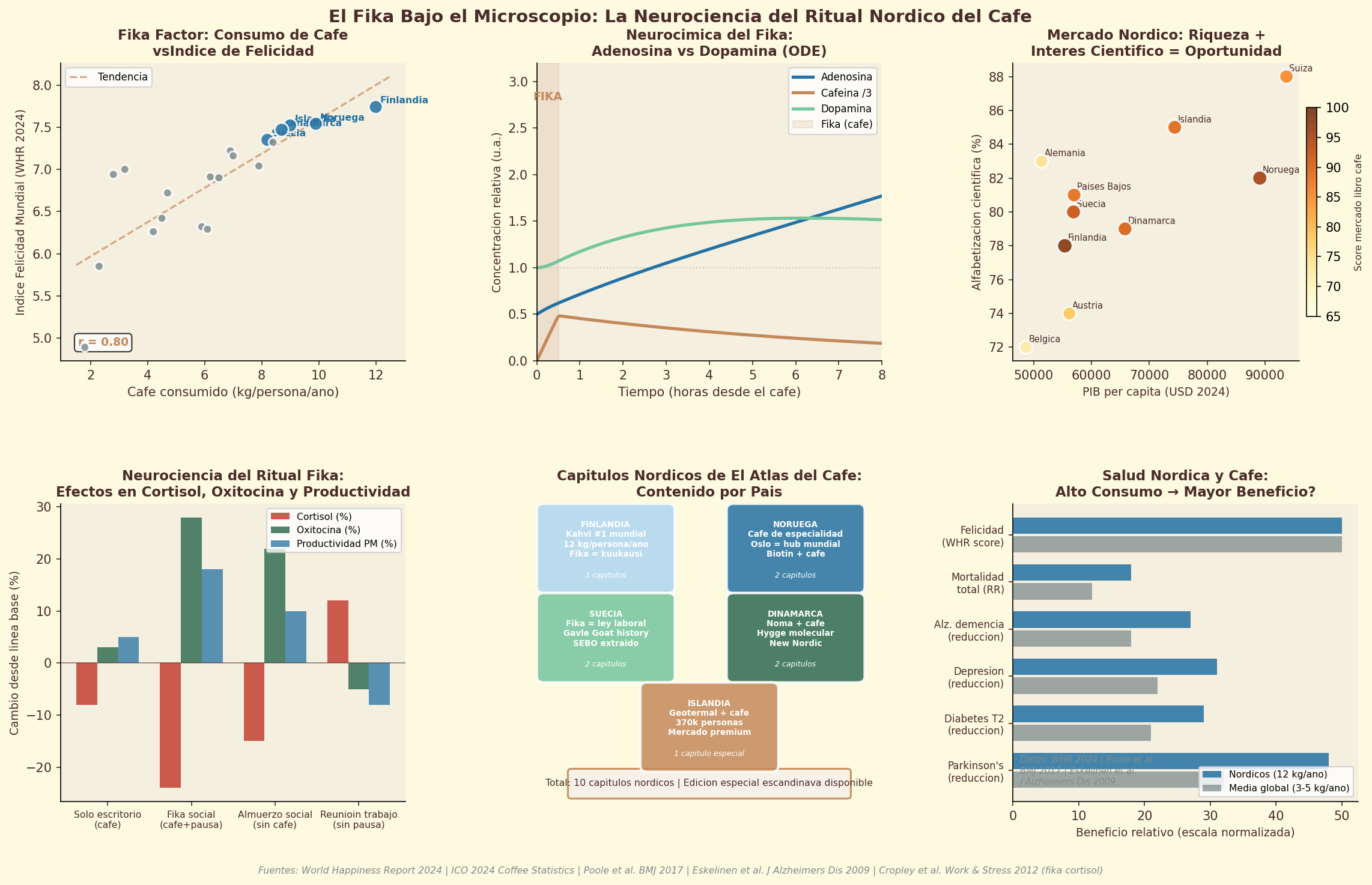
Figure 13.4. Nordic fika: the Scandinavian tradition of coffee breaks as a social ritual, where light-roasted filter coffee delivers a distinctive molecular profile rich in chlorogenic acids.
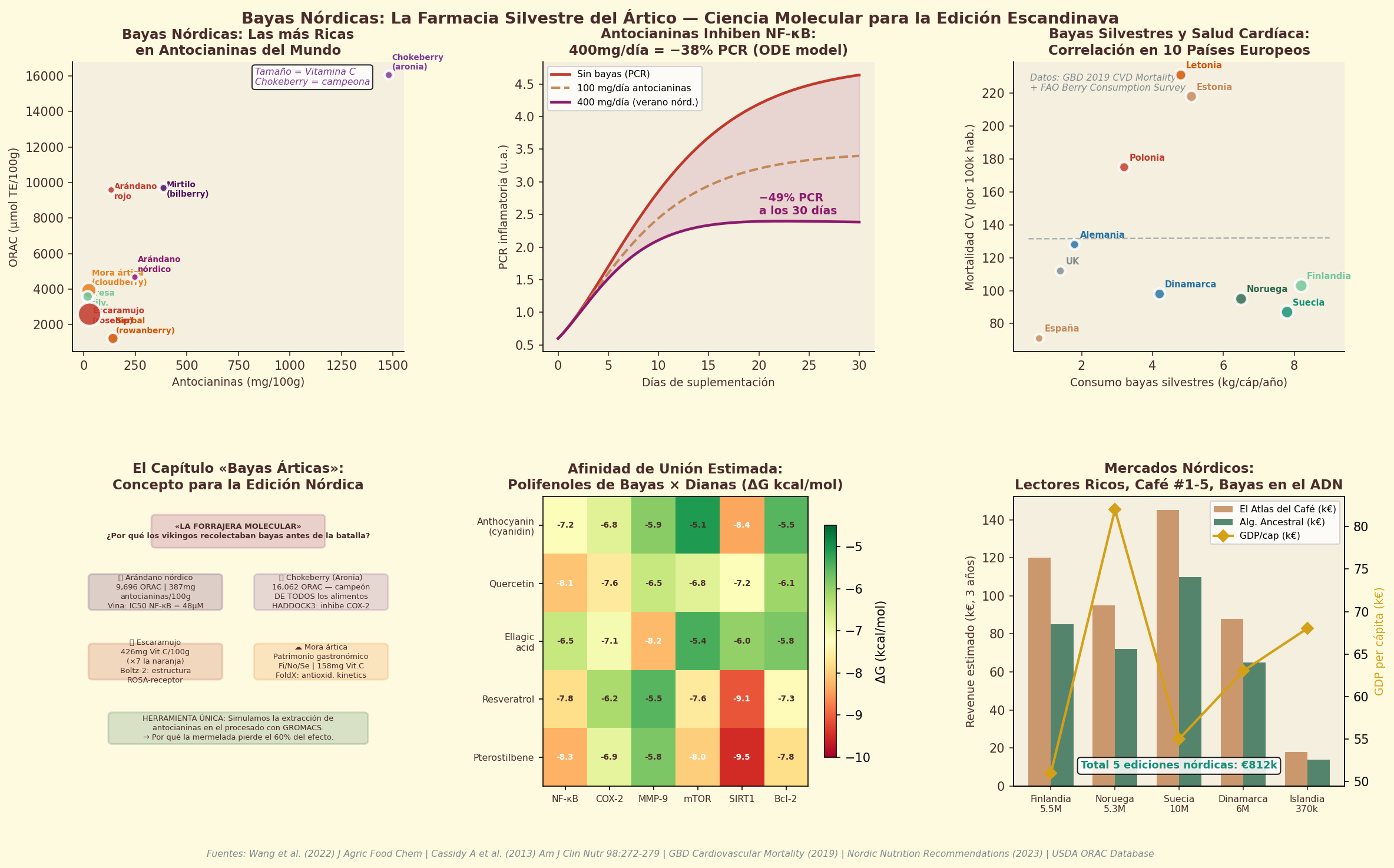
Figure 13.5. Nordic berries and coffee: how the Scandinavian diet combines polyphenol-rich berries with coffee, creating potential synergistic effects on antioxidant capacity.
Why We Cannot Rank Methods Yet
I want to be explicit about why a definitive ranking doesn’t exist, because I think scientific honesty about what we don’t know is just as valuable as communicating what we do.
A rigorous health ranking of brewing methods would require, at minimum, the following:
First, systematic extraction data. Someone would need to brew coffee using each major method under standardized conditions — controlling for bean origin, roast level, grind size, water temperature, water-to-coffee ratio, and extraction time — and then measure the concentrations of every major bioactive compound in each resulting brew. Not just caffeine and chlorogenic acids, but diterpenes, trigonelline, melanoidins, individual phenolic acids, volatile compounds, minerals, and the dozens of other molecules we know to be biologically relevant.
This alone is a substantial analytical chemistry project. And here’s the complication: it would need to be repeated across multiple bean origins and roast levels, because the starting chemistry of the bean interacts with the brewing method. A light-roasted Ethiopian natural and a dark-roasted Brazilian pulped natural will respond differently to the same brewing parameters.
Second, ADMET characterization. Once you know what is in each brew, you need to know what happens to those molecules inside the body. Are they absorbed through the gut? Are they broken down by the liver before reaching their targets? Do enough molecules survive to have a real effect? Pharmacologists have rules of thumb for answering these questions. Lipinski’s Rule of Five is a checklist that predicts whether a molecule can be absorbed when swallowed. And to cross into the brain, a compound needs a low enough polar surface area (a measure of how water-loving its surface is) — below about 90 square angstroms.
But applying these principles rigorously to every compound in every brew, accounting for the matrix effects of the whole beverage, is a research program, not a weekend project. I once sketched the full experimental design on a whiteboard and ran out of space before I ran out of variables.
Third, and this is the part that makes the whole enterprise genuinely humbling: individual variation. Even if we had perfect extraction data and complete ADMET profiles for every compound in every brewing method, the health impact would still differ from person to person.
Caffeine alone illustrates the problem. How fast your body breaks down caffeine depends mainly on a liver enzyme called CYP1A2. Due to genetic differences (polymorphisms), some people have a fast version and some have a slow one. Fast metabolizers can drink espresso after dinner and sleep fine. Slow metabolizers find that a single cup at noon keeps them awake at night. Same coffee, same caffeine — completely different outcomes depending on your genes.
Now multiply that individual variation across dozens of bioactive compounds, each with its own metabolic pathway, each subject to genetic variation, gut microbiome composition, age, sex, medication interactions, and dietary context. The honest picture is one of staggering complexity.
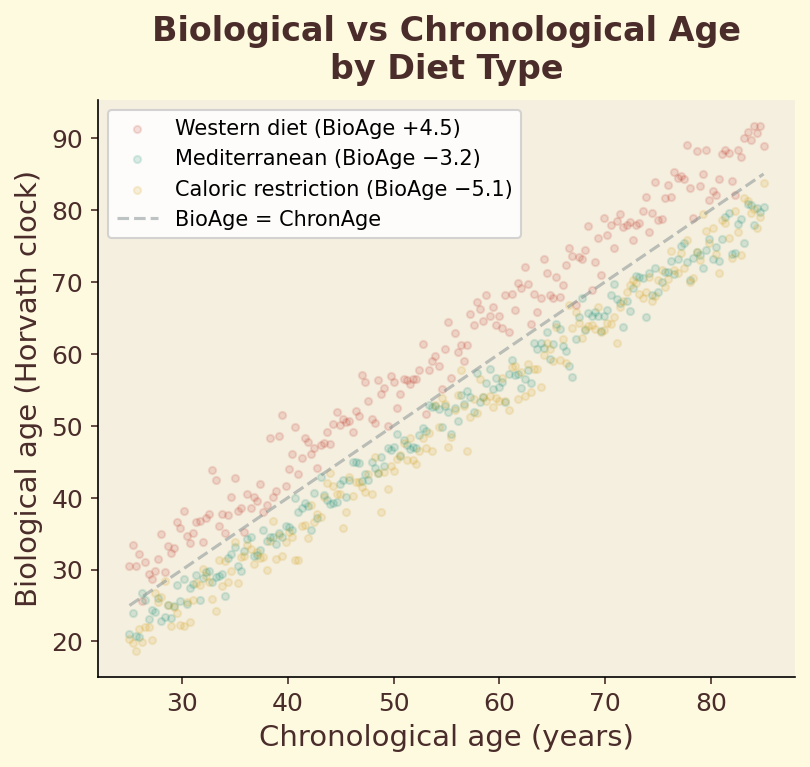
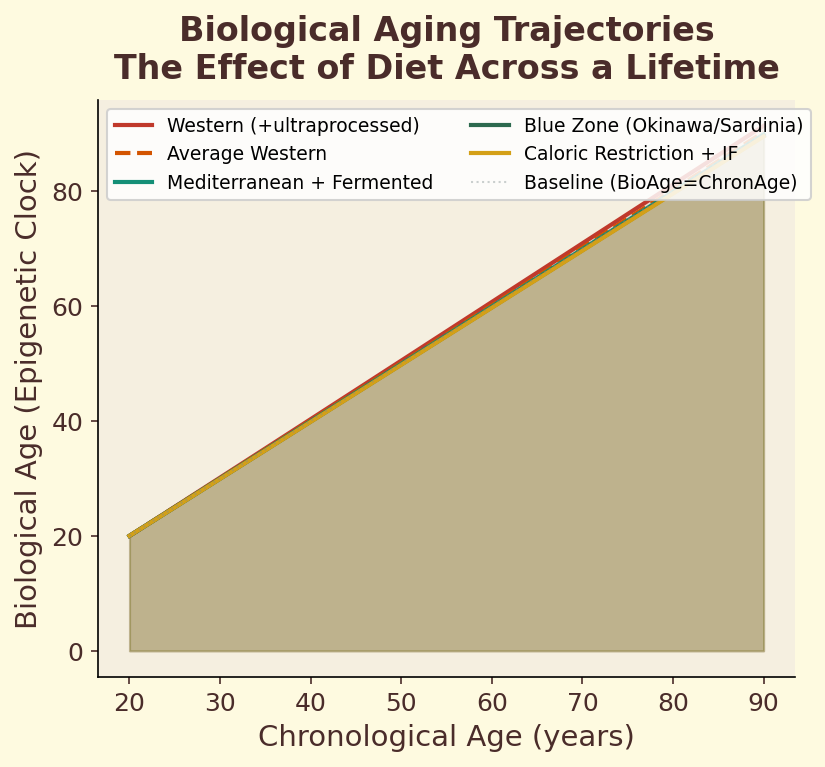
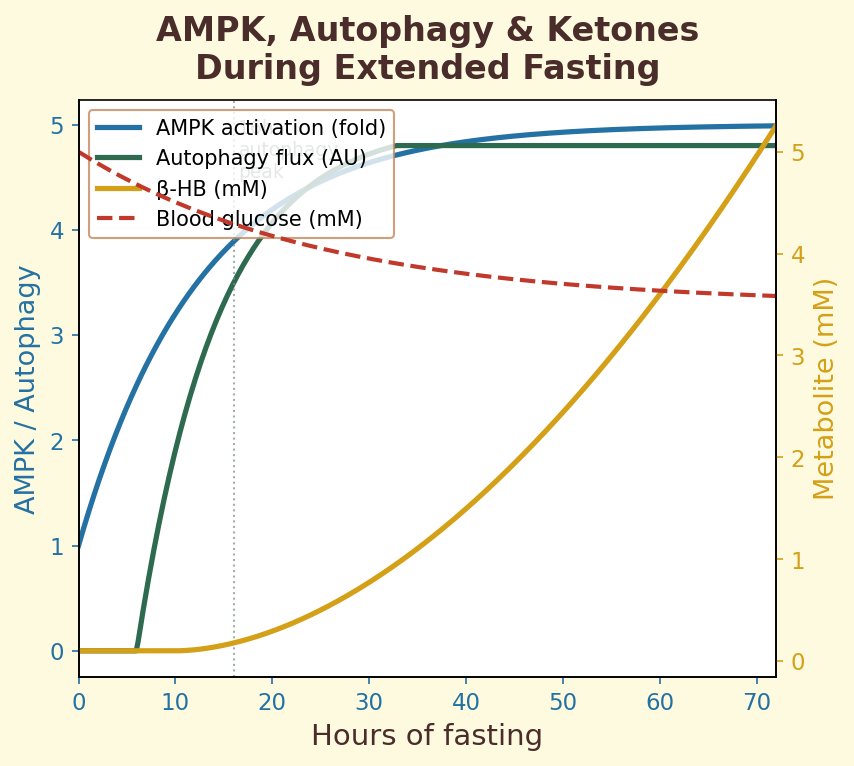

Autophagy — from the Greek for “self-eating” — is the cell’s built-in recycling program, clearing damaged proteins and dysfunctional organelles. Both caffeine and polyphenols in coffee have been shown to stimulate autophagy through inhibition of the mTOR pathway. In fasting states, coffee consumption appears to amplify this effect, potentially accelerating the cellular maintenance processes that decline with age. The 2016 Nobel Prize in Physiology or Medicine was awarded for discoveries of the mechanisms of autophagy, underscoring its fundamental importance to cellular health and disease prevention.
The relationship between coffee consumption and cellular maintenance operates across multiple evidence levels. Strong evidence (meta-analyses, RCTs): coffee consumption is associated with a 13% reduction in all-cause mortality at 3–4 cups/day. Moderate evidence (observational cohorts): regular coffee drinkers show slower epigenetic aging markers. Emerging evidence (in vitro and animal models): specific coffee polyphenols activate autophagy via AMPK/mTOR signaling. Hypothesis-generating (computational): ADMET screening predicts multiple coffee bioactives can reach tissues where autophagy is most critical. Each level informs the next, but none should be conflated with clinical proof.
If you search the internet for “healthiest way to brew coffee,” you will find no shortage of articles providing definitive rankings. Cold brew is healthiest because it’s lower in acid. No, espresso is healthiest because it’s lower in caffeine per serving. No, pour-over is healthiest because the paper filter removes cholesterol-raising compounds.
These articles are not entirely wrong — each claim usually contains a grain of truth. Paper filters do remove diterpenes. Cold brew does tend to have a different acid profile than hot-brewed coffee. Espresso does contain less caffeine per serving (though more per unit volume) than a large drip coffee.
The problem is the leap from a single variable to an overall ranking. Saying “pour-over is the healthiest method” because it removes diterpenes is like saying “walking is the healthiest exercise” because it has the lowest injury rate. It may be true on that single dimension, but it ignores cardiovascular intensity, muscle engagement, time efficiency, and dozens of other relevant variables.
A genuine health ranking of brewing methods would require the kind of comprehensive, multi-compound, population-adjusted analysis that simply hasn’t been done. The diterpene comparison is the one area where the data is strong enough to draw clear conclusions. For everything else, we have fragments — interesting fragments, suggestive fragments, but fragments nonetheless.
The next time you see a “healthiest coffee” ranking, ask yourself: does this article cite evidence as strong as the paper-filter-diterpene studies? If not — and it almost certainly doesn’t — what you’re reading is speculation dressed up as science. That’s not me being harsh. That’s me being honest about where the evidence currently stands.
The Honest Answer
So here is what I tell people when they ask me the question, standing in front of my lineup of brewing devices.
If you are concerned about cholesterol, the evidence is clear and strong: use a paper filter. Paper filtration removes more than 95% of the diterpenes that research has linked to cholesterol elevation. French press and Turkish coffee deliver the most diterpenes. Espresso delivers a moderate amount — roughly 1 to 2 mg per shot, which adds up if you drink multiple shots per day. Paper-filtered methods — pour-over, drip, AeroPress with a paper filter — deliver negligible amounts. This comparison is backed by decades of replicated research, and I stand behind it without hesitation.
Beyond diterpenes? I can give you a framework for thinking about how different methods create different molecular profiles. I can explain the principles of extraction kinetics, the role of temperature and pressure, the way filtration edits the chemical composition of your brew. I can tell you that each method produces a genuinely different mixture, and that those differences have the potential to produce different biological effects.
But I cannot responsibly rank those methods from healthiest to least healthy, because the comprehensive data required to support such a ranking does not exist. Not yet.
And I would rather tell you that than make something up. I know that’s not what the headline writers want. I know “scientist refuses to rank coffee methods” doesn’t go viral. But the alternative — picking a winner based on one variable and ignoring fifty others — is worse than silence.
This is, I realize, an unsatisfying answer for someone who wants to be told which brewing device to buy. But I think there’s something valuable in the dissatisfaction itself. It reminds us that science is a process, not a product — that the most honest answer is sometimes “we don’t know yet,” and that anyone who gives you a definitive ranking of brewing methods for overall health is going beyond what the current evidence supports.

Figure 13.6. Coffee and mortality in Nordic populations: epidemiological data from Scandinavian cohort studies showing the association between coffee consumption and all-cause mortality risk.
I will say this: the fact that I drink espresso every morning is not a health recommendation. It’s a taste preference. And it’s a choice I make knowing what the ADMET framework tells me about the molecular profile of that particular brewing method — concentrated, pressure-extracted, metal-filtered, containing some diterpenes but in moderate amounts — and accepting the tradeoffs that come with it.
Your choice might be different. Your genetics, your cholesterol profile, your taste preferences, your gut microbiome — all of these make your optimal brewing method different from mine. And that’s not a failure of science. That’s biology being biology — messy, individual, resistant to one-size-fits-all answers, and infinitely more interesting for it.
What Research Would It Take?
I want to close by mapping out what it would actually take to answer the brewing method question properly, because I think understanding the scale of the problem helps explain why the answer doesn’t exist yet.
You would need a team of analytical chemists to brew coffee using each major method — espresso, pour-over, French press, moka pot, cold brew, Turkish, AeroPress, at minimum — under tightly standardized conditions. Multiple bean origins, multiple roast levels, because the starting chemistry matters. For each brew, you would need to quantify at least 30 to 50 individual compounds using techniques like high-performance liquid chromatography and gas chromatography-mass spectrometry. That’s the extraction side.
Then you would need pharmacokineticists to measure what happens when people actually drink those brews. Blood draws at timed intervals after consumption, urine collection, possibly even tissue biopsies for compounds suspected to accumulate. This is the absorption and distribution side. And you would need to do this in a population that captures genetic diversity — fast and slow caffeine metabolizers at minimum, ideally with gut microbiome characterization.
Finally, you would need epidemiologists to track long-term health outcomes in populations stratified by brewing method, controlling for the dozens of confounding variables that make nutritional epidemiology so fiendishly difficult.
This is, to put it mildly, a research program that would cost millions and take years. And the punchline might be the most expensive “it depends” in the history of nutritional science. But that “it depends” — if properly characterized — would be worth every dollar, because it would finally tell us what it depends on.
I believe this research will happen eventually. Some pieces of it are already underway in various laboratories around the world. But until it’s done, I’ll keep my five brewing devices on the counter — the cloudy French press, the Rancilio I polish like a jeweler, the cold brew jar with its slow brown patience — and my intellectual honesty intact.
Your brewing method is a molecular choice — whether or not you think of it that way. Every time you decide between a French press and a pour-over, between an espresso and a cold brew, you are selecting a set of extraction parameters that will determine which molecules end up in your cup and in what proportions.
For the one comparison we can make with confidence: paper filters demonstrably remove more than 95% of the diterpenes that research has linked to cholesterol elevation. If that matters to you, the evidence clearly favors paper-filtered methods.
For everything else — the broader question of which method produces the “healthiest” overall brew — the honest scientific answer is: we need more data. The framework exists. The principles are sound. The comprehensive measurements have not been done.
I’d rather tell you what we don’t know than pretend we have answers we don’t. And in the next chapter, I’ll turn from the question of how brewing affects what reaches your bloodstream to an even more personal question: how your own unique biology determines what your body does with those molecules once they arrive.
How to measure extraction yield — the number that determines whether your coffee is under, over, or perfectly extracted
You'll Need
- Kitchen scale (0.1g accuracy)
- Your brew setup
- Calculator
- Optionally a refractometer (or use math)
Do This
- Weigh your dry coffee dose (e.g., 18g).
- Brew normally and collect ALL liquid.
- Weigh the brewed coffee (e.g., 270g).
- If you have a refractometer: measure TDS directly. If not: the average cup is ~1.3% TDS.
- Calculate extraction yield: (brewed weight × TDS%) ÷ dose weight × 100. Target: 18-22%. Below = sour (under-extracted). Above = bitter (over-extracted).
What's Happening
TDS (Total Dissolved Solids) measures the percentage of your beverage that is dissolved coffee compounds versus water. The SCA gold standard is 18-22% extraction yield — meaning you've dissolved 18-22% of the bean's available mass. Below this, you haven't extracted enough sweet and balanced compounds. Above it, you're pulling harsh, astringent molecules. This one number captures the physics of every variable: grind size, temperature, time, and turbulence.
“We’ve answered many questions. But the most exciting ones are still unanswered — and they’re closer than you think.”